Planning & progress · 3 min read
The Difference Between Learning About a Side Hustle and Actually Starting One
Turn useful learning into a small practical experiment, with a clear finish and an honest review rather than another collection of saved videos.
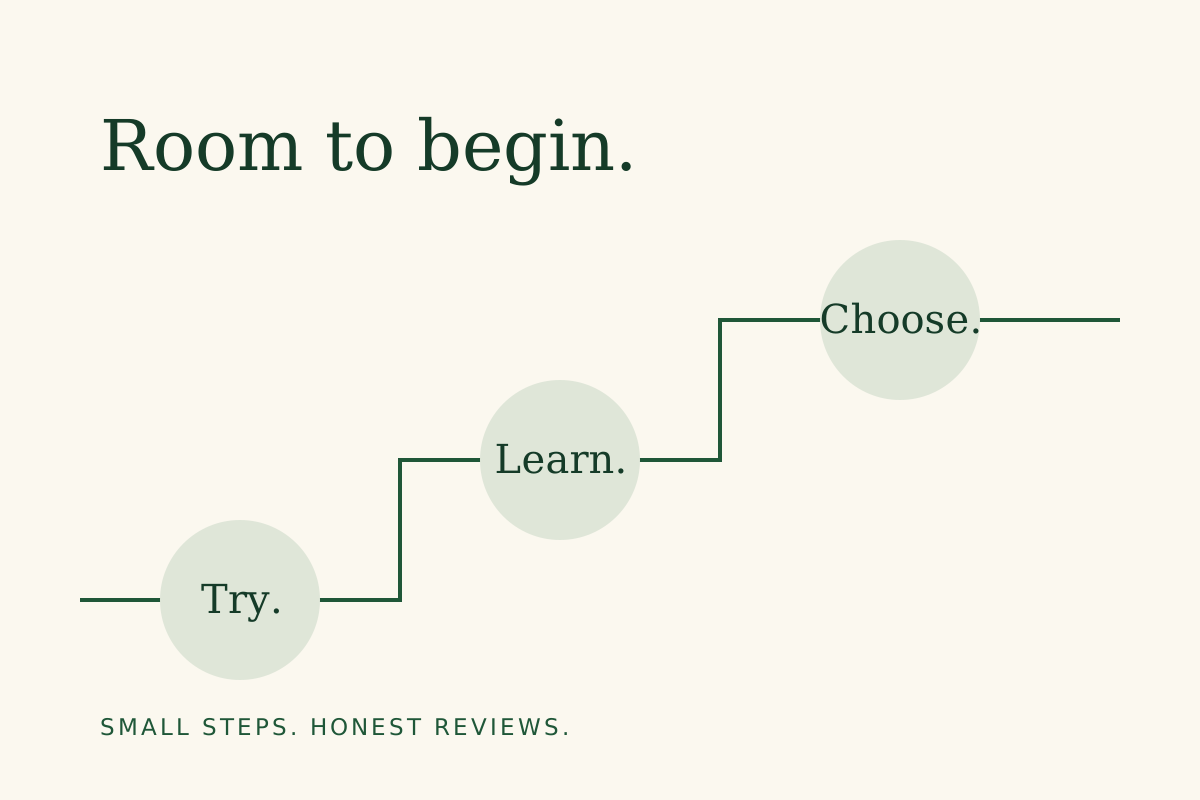
Learning becomes practical when it changes something you do. Watching an explanation can be a sensible first step. Starting means choosing a task, producing something you can examine and using the result to make the next decision.
There is no need to rush into selling before you are ready. The aim is to stop confusing a growing folder of information with evidence that your idea works.
Find the decision you are avoiding
Sometimes more research is necessary. You may need to check a licence or understand a platform requirement. Other times, research is covering a decision that feels uncomfortable: choosing one audience, showing a rough draft or asking whether someone needs the thing you want to make.
Write the decision in a question. "Would this weekly checklist help someone who works shifts?" gives your next session a clearer purpose than "learn about digital products".
Make a small object, not a huge promise
Create one example page, outline one offer or write one sample explanation. Keep it small enough that you can change it without feeling you have wasted weeks.
For example, you might make a sample expense sheet using invented figures and ask someone to enter three transactions. Tell them it is a rough test. Ask where they hesitated and what they expected to see next. Avoid leading questions such as "You'd buy this, wouldn't you?"
Ask permission before the test, keep any notes anonymous and do not publish their comments without a separate agreement. You are checking whether the sheet is understandable, not proving there is a market for it.
Define what finished looks like
"Work on my idea" has no obvious stopping point. "Write a five-step outline and identify two unclear steps" does. A defined finish helps you make progress when your time comes in short pieces.
Keep a note of what you changed after each test. Otherwise it is easy to keep polishing the same part without noticing that the original problem remains.
Use lessons when a task reveals a gap
If writing a description shows you do not understand the customer, learn about that. If making a file reveals a formatting problem, find guidance on the format. You can learn broadly and still let the current task guide what deserves attention first.
Structured learning can make that process easier, but completing a lesson is not evidence of commercial success. You still need to apply judgement and test the work.
Try this before the next video
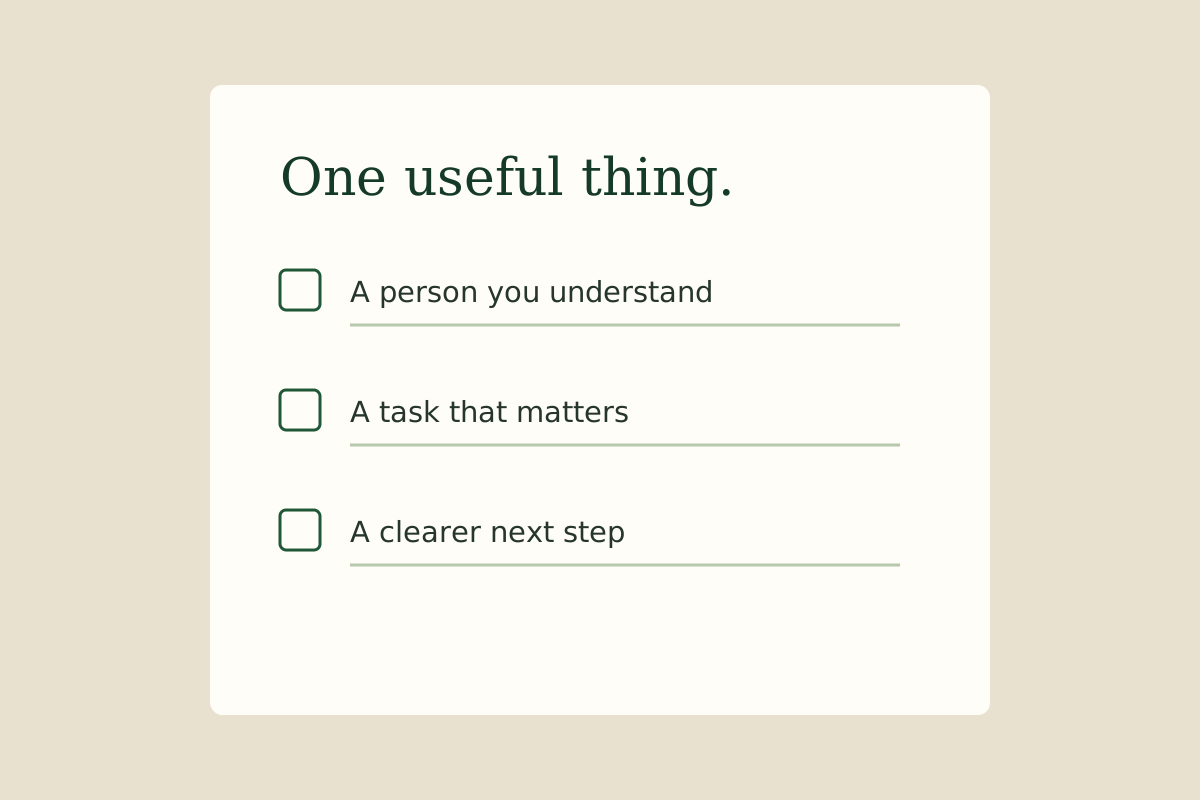
Write down one question, one output you can finish and one way to review it. Use the free Roadmap to keep those choices visible. When you return to learning, you will know what answer you need. That is a much calmer starting point than trying to become fully prepared for every possible problem before doing anything.
Learn with support
Give your next question somewhere to go.
If you keep getting stuck between learning and doing, explore the structured training and community inside Savvi Streams on Skool. You still choose and carry out the work, but you can learn alongside others and ask questions as you go.
Take your learning further on Skool